Quick answer
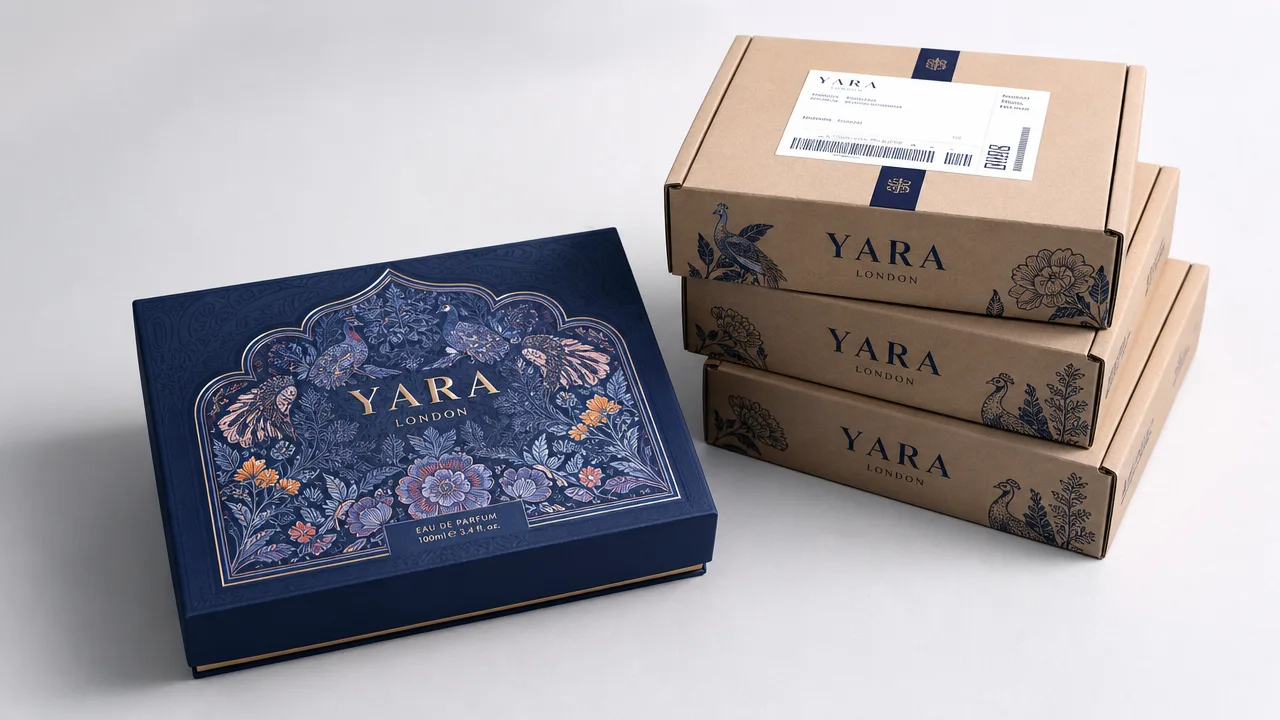
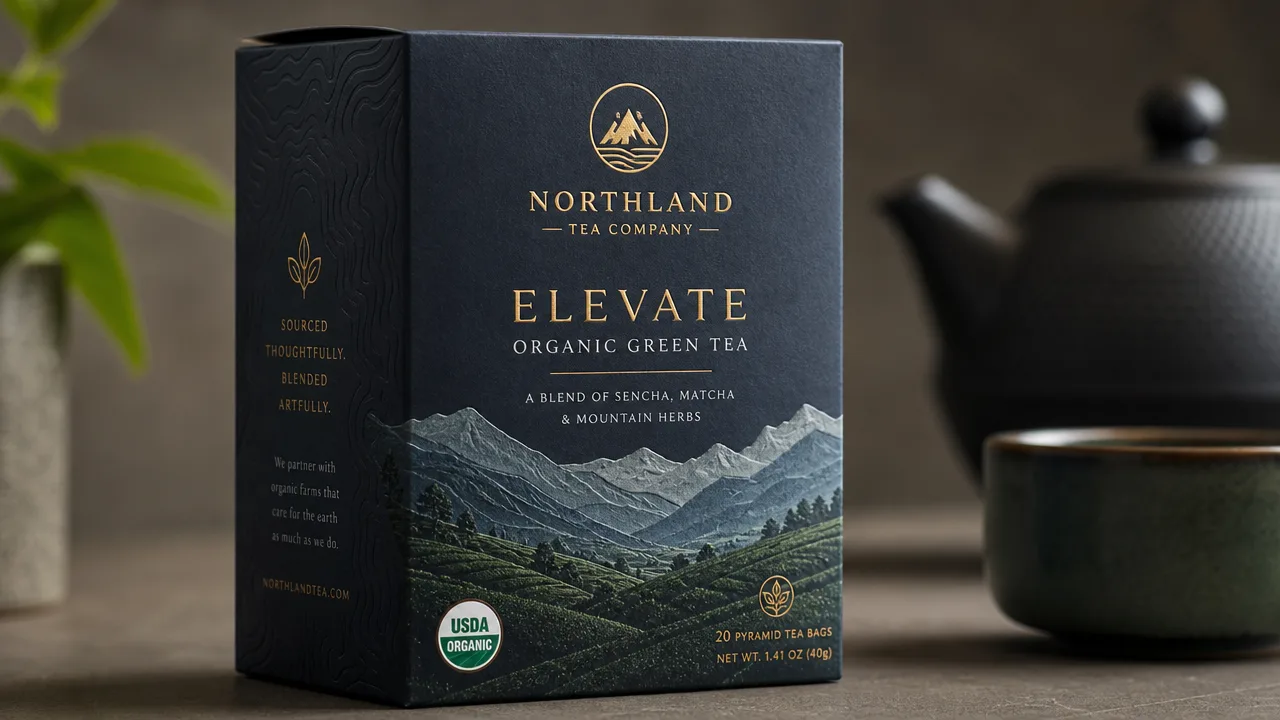
The finishes that make packaging look and feel premium are foil blocking (metallic or coloured foil pressed on with a heated die), embossing and debossing (raising or pressing the board), lamination (gloss, matt or soft-touch film over the whole sheet), spot UV (high-gloss varnish on chosen areas) and windows or cut-outs. On packaging they have to survive more than on flat print: creasing, gluing, shelf handling and transit. The best results come from choosing one or two finishes that do a clear job, keeping them off folds and glue areas, and planning each one as its own layer on the dieline. Every plastic finish you add also affects how recyclable the box is.
Key takeaways
- Two finishes used well beat four used everywhere. A soft-touch box with a foiled logo is a classic for a reason.
- Keep foil, spot UV and embossing away from creases and folds, where they can crack or distort when the box is formed.
- Glue areas are usually left free of laminate and varnish so the glue can bond to the board.
- Each spot finish needs its own artwork layer, aligned to the dieline, in the same file as the print.
- Plastic film on both sides of the board is rated red under the UK recyclability assessment. Embossing adds no material, and foil on a logo adds very little.
Packaging finishes at a glance
Packaging finishes fall into the same two groups as other print. Whole-sheet finishes (lamination and coatings) protect the box and set its overall feel. Spot finishes (foil, spot UV, embossing and debossing) pick out a logo, a product name or a pattern. What changes on packaging is the board: it is thicker, it gets creased and glued, and it has to look good after a trip through the post or a few weeks on a shelf.
| Finish | What it does on a box | Best for | Watch out for |
|---|---|---|---|
| Soft-touch lamination | Velvety, matt surface that feels premium in the hand | Cosmetics, gifts, tech and drinks packaging | Shows scuffs in transit; adds a plastic layer |
| Gloss or matt lamination | Protects the print and makes the box wipeable | Retail cartons that are handled a lot | Can crack on folds unless creased; adds a plastic layer |
| Press or water-based coating | Thin protective coat applied as the sheet is printed | Everyday cartons, mailers, recyclable packs | Less scuff protection than film |
| Foil blocking | Metallic or coloured shine from a heated die | Logos, product names, borders | Very fine detail can fill in; avoid placing over creases |
| Embossing / debossing | Raised or recessed design pressed into the board | Logos and tactile patterns on lids and fronts | Needs suitable board thickness; shows on the inside face |
| Spot UV | High-gloss varnish on chosen areas | Logos and patterns on soft-touch or matt lamination | Needs its own artwork layer; weak on uncoated board |
| Window or cut-out | Shows the product through the box | Food, toys, gift sets | Film windows add a second material; affects box strength |
Lamination and coatings on packaging board
Lamination bonds a thin film to the printed board. On packaging its main jobs are protection and feel: a gloss or matt laminate stops colours rubbing off in transit, and soft-touch gives the velvety finish common on cosmetics and gift boxes. We laminate in gloss, silk and soft-touch in-house.
If the box does not need film, a coating can do much of the job. Both of our B2 Heidelberg litho presses, which print folding cartons, have an inline coater that applies a protective coat as the sheet is printed. For packaging we also offer water-based coatings as an alternative to UV finishes.
| If the box needs… | Consider |
|---|---|
| A premium, tactile feel | Soft-touch lamination on the outside face only |
| To survive heavy handling or wiping | Gloss or matt lamination |
| Basic scuff protection at low cost | Inline press coating |
| To be as recyclable as possible | Water-based or press coating instead of film |
Laminated board must be creased properly
Folding laminated board along an uncreased line can crack the film and show white board through the print. Creases are part of the dieline, so tell us early if you plan to laminate and we will check the board and creasing suit it.
Foil blocking, embossing and debossing on boxes
Foil blocking transfers metallic or coloured foil onto the board with a heated die. We block in gold, silver and custom foil colours. On packaging, foil works best on flat panels such as the lid or front, on a smooth or laminated surface. Foil over soft-touch lamination is one of the most common premium combinations.
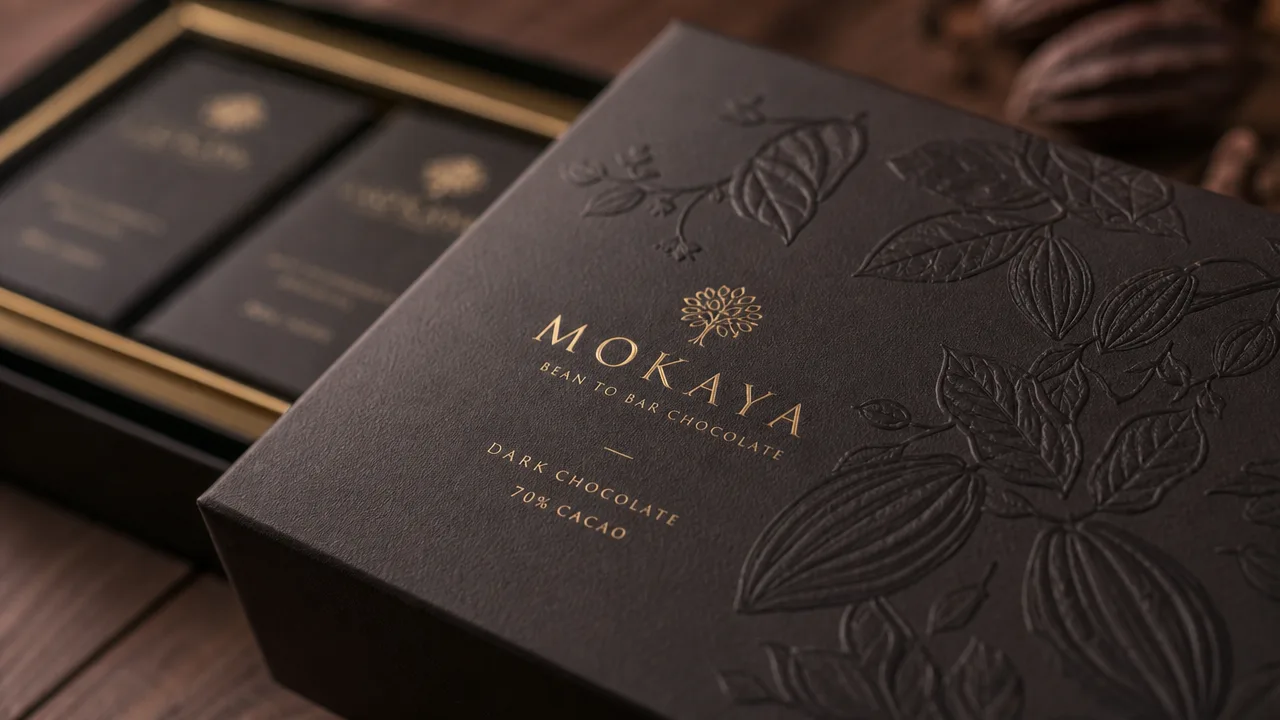
Embossing raises part of the design and debossing presses it in. Because they shape the board itself, they add no extra material, which makes them a good premium option for recyclable packaging. Blind embossing uses no ink or foil, so the design shows as texture only. Foil and embossing can also be combined so a foiled logo sits raised above the surface.
Think about the inside of the box
An emboss shows as a recess on the inside face, and a deboss as a raised area. On a lid this rarely matters, but on a panel that sits against the product, or one printed on the inside, plan for it.
Premium packaging finished in-house
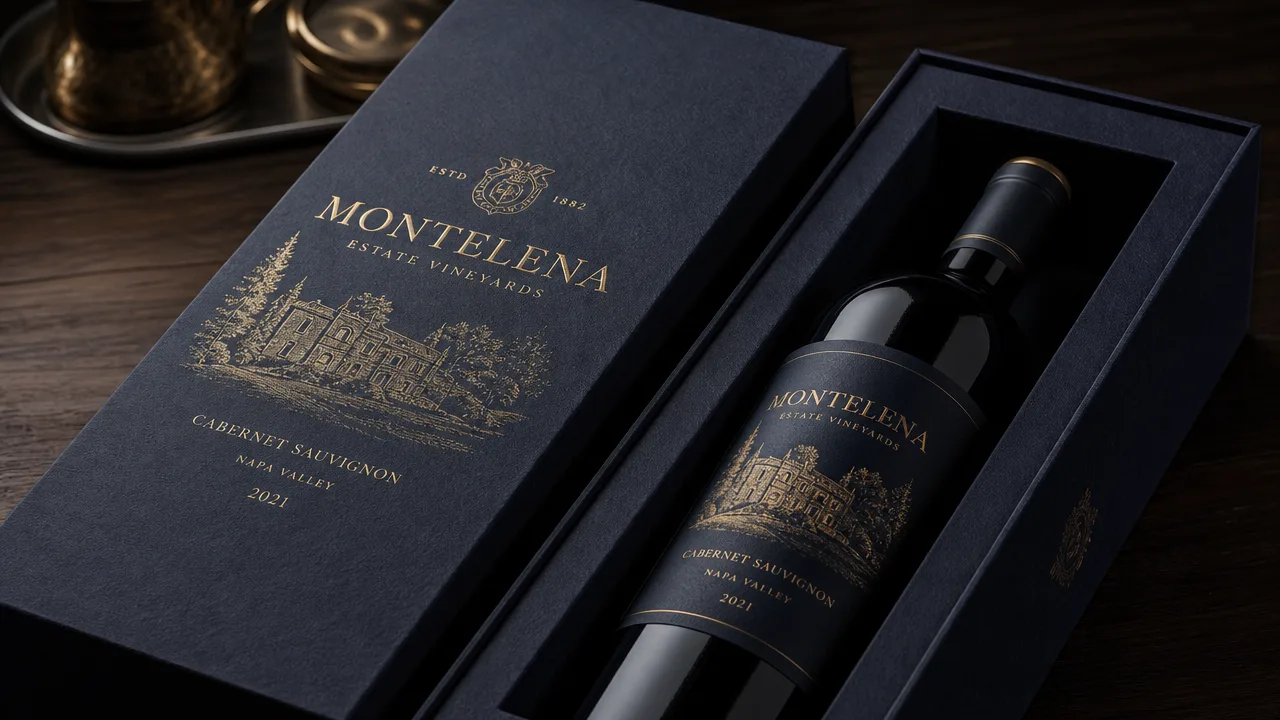
Soft-touch and gloss lamination, foil blocking, embossing and spot UV, applied in-house in Keighley so print and finish are controlled together.
Explore the serviceSpot UV, windows and cut-outs
Spot UV puts a high-gloss varnish on selected areas. On packaging it is usually applied over matt or soft-touch lamination, so a glossy logo or pattern catches the light against the matt background. Like foil, keep it to flat panels and off creases.
Windows let the customer see the product. A window is a cut-out in the board, sometimes covered with a clear film. The cut-out is part of the dieline, so it has to be planned with the box structure: a large window in a load-bearing panel weakens the box. A film window is a second material that someone has to remove before recycling. UK paper industry guidelines recommend avoiding strongly attached windows and using easily detachable, thin, lightweight ones.
| Option | Shows the product | Recyclability |
|---|---|---|
| No window | No (use print or photography) | Simplest: all board |
| Open cut-out, no film | Yes, and can be touched | All board; less protection for the product |
| Cut-out with clear film window | Yes, protected | Mixed material; film should be easy to remove |
Planning finishes into your packaging artwork
- 1
Decide what each finish is for
Pick the one thing you want the customer to notice, such as the logo or product name, and finish that. Leave the rest of the box to the print.
- 2
Place finishes on the dieline
Supply each spot finish (foil, spot UV, emboss) as a separate layer or file in 100% of one spot colour, aligned to the same dieline as the print. Our packaging dieline and artwork guide shows how to set this up.
- 3
Keep finishes off folds and glue areas
Stop spot finishes short of crease lines, and leave glue flaps clear of laminate and varnish so the glue bonds to bare board.
- 4
Allow for registration
Foil, emboss and spot UV are applied in separate passes after printing. Avoid very fine lines and tiny text in finishes, and avoid designs that need a finish to sit exactly on a thin printed outline.
- 5
Check recyclability
List every material in the box. Our sustainable packaging guide explains how laminates and windows affect the UK recyclability assessment.
- 6
Ask for a sample or proof
Finishes look different on board than on screen. A physical sample shows how foil, soft-touch and embossing work together before the full run.
| Look you want | Common combination |
|---|---|
| Luxury and understated | Soft-touch lamination with a blind deboss or embossed logo |
| Luxury with shine | Soft-touch lamination with a foiled logo |
| Bold retail shelf impact | Gloss lamination or coating with bright full-colour print |
| Subtle pattern that shows in the light | Matt or soft-touch lamination with spot UV pattern |
| Premium and recyclable | Uncoated or coated board, press coating, embossing and a small foil logo |
For flat print such as business cards and brochures, see print finishes explained. For how finishes fit into the whole packaging process, start with our custom printed packaging guide, and use the box styles guide to choose the structure first.
Sources
- Page Bros – Explore special finishes (spot UV, foil blocking, embossing, lamination)
- Kallkwik – The finishing touch: varnish, UV, lamination, embossing and foil blocking
- PackagingLaw.com – UK paper association publishes revised recycling guidelines (CPI Design for Recyclability, October 2022)
- GOV.UK / PackUK – Recyclability assessment methodology: assessing materials (v1.1, updated 4 September 2025)