Quick answer
The box style is the shape of the flat blank and how it closes. Most printed retail packaging is a folding carton in one of a few standard styles: a reverse tuck end (tuck flaps at top and bottom, closing from opposite sides) or straight tuck end (both tucks closing from the same side) for light products; a crash lock base (a pre-glued bottom that locks as the box is opened) for heavier products and fast packing; a snap lock or 1-2-3 base where the bottom is folded in by hand; and a sleeve and tray, two-piece lid and base or hinged lid for gifts. For posting, the usual choice is a corrugated mailer box with a tuck-in front. The right style depends on product weight, how it is packed and how it will be displayed or sent.
Key takeaways
- Tuck end cartons are the most common, lowest-cost style for light retail products. Reverse tuck ends usually lay out more efficiently on the sheet; straight tuck ends give a cleaner front panel.
- Crash lock bases are pre-glued and lock as the carton is erected, so they suit heavier products and faster packing lines. Snap lock (1-2-3) bases need no extra glue but take longer to fold by hand.
- Sleeve and tray, two-piece and hinged lid boxes are about presentation. They suit gifts, sets and premium products.
- For posting, corrugated mailer boxes (FEFCO 0427 and its variants) are the standard. Ordinary carton board is not built for the parcel network.
- Industry codes describe styles precisely: the ECMA Code for folding cartons and the FEFCO Code for corrugated. Quoting one avoids misunderstandings.
Box styles at a glance
Packaging printers talk about styles because every style has a different flat shape (the dieline), a different way of closing and a different cost to make and pack. Choose the style first, then the board and finish. The table below covers the styles most brands use.
| Style | How it closes | Best for | Things to watch |
|---|---|---|---|
| Reverse tuck end | Tuck flaps at top and bottom, closing from opposite panels | Light retail products: cosmetics, supplements, small electronics, tea | Not for heavy contents; bottom can push open |
| Straight tuck end | Top and bottom tucks closing from the same panel | Products shown through a window or a clean front panel | Usually uses a little more board than a reverse tuck |
| Crash lock (auto) base | Pre-glued base that locks as the carton is opened | Heavier products, bottles, jars, faster packing | Needs extra glue points; slightly higher unit cost |
| Snap lock (1-2-3) base | Four bottom flaps folded in sequence by hand | Medium-weight products where packing speed matters less | Slower to assemble than a crash lock |
| Sleeve and tray | A tray slides into an open-ended sleeve | Gifts, confectionery, sets, subscription boxes | Two parts to print, make and pack |
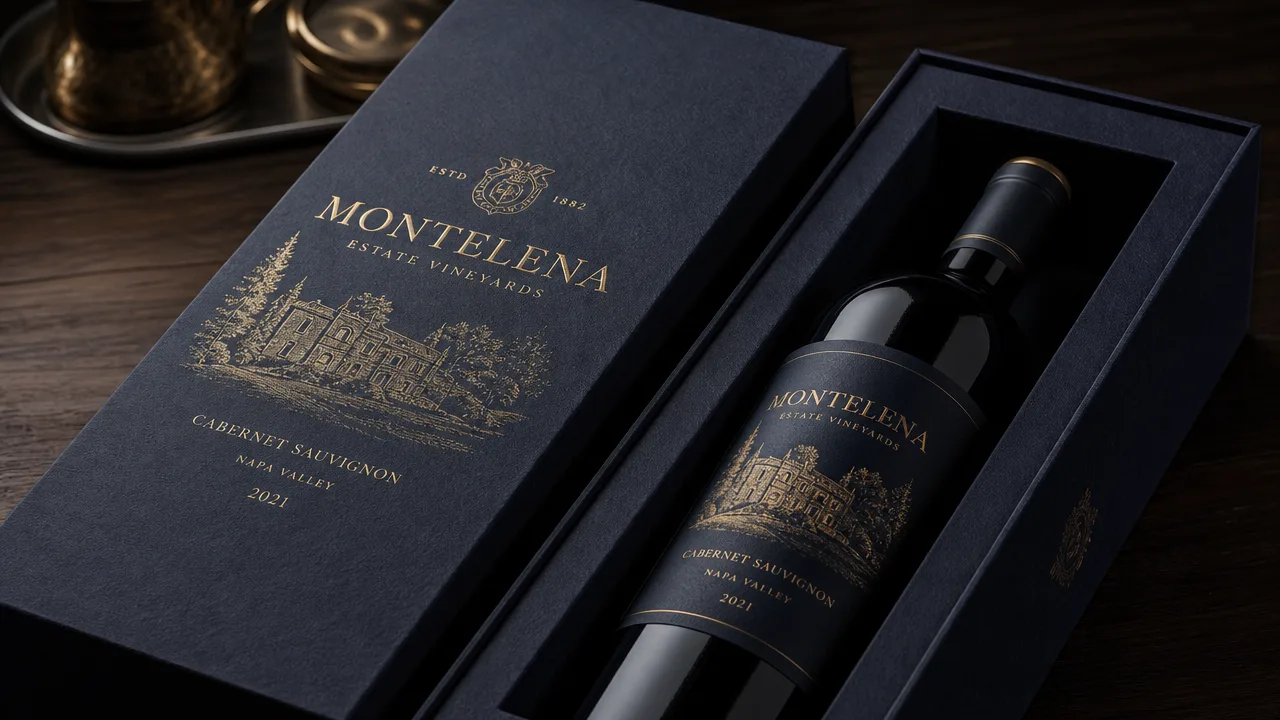
| Two-piece lid and base | A separate lid fits over the base | Premium gifts, apparel, presentation sets | Often made as a rigid box; takes space in storage |
| Hinged lid | Lid joined to the base along one edge, sometimes with a magnetic closure | Luxury goods and keepsake boxes | Usually a rigid construction; highest cost |
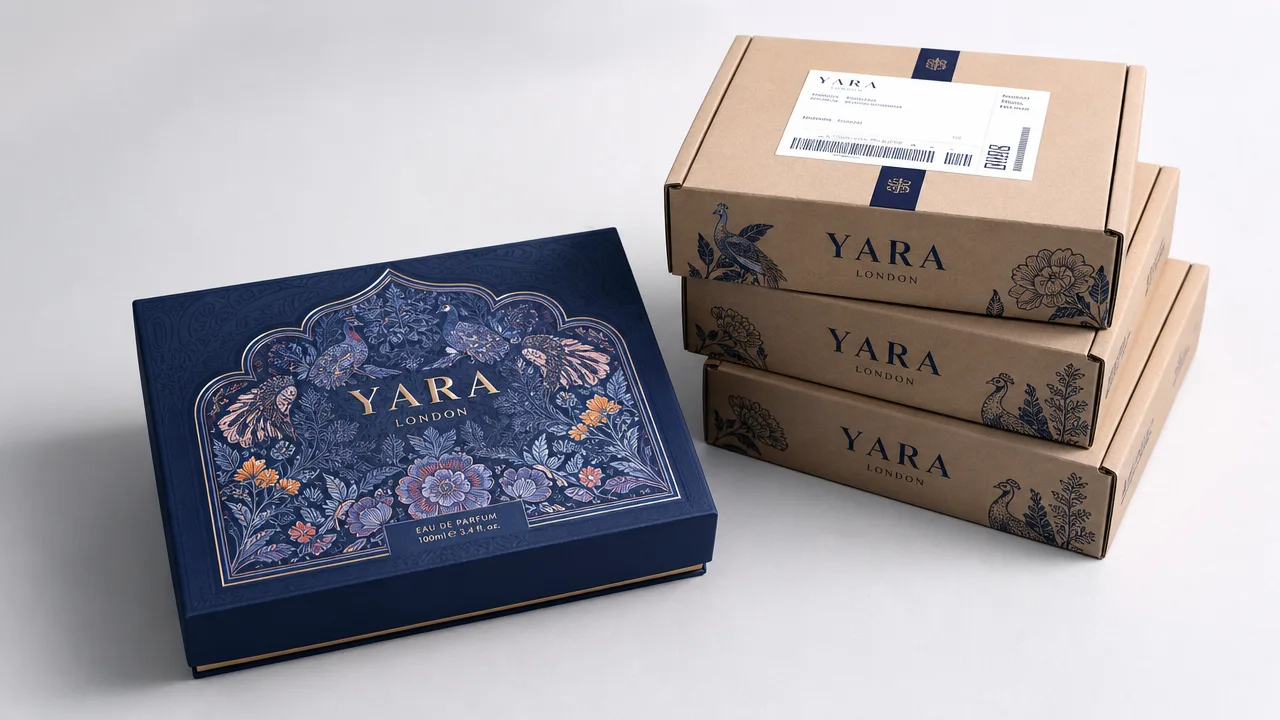
| Mailer box | Corrugated box with a tuck-in front and side dust flaps | E-commerce and subscription orders sent by post | Corrugated board, so print quality and finish options differ from cartons |
| Pillow box | Curved ends that fold in | Small gifts, favours, accessories | Low capacity; best for very light items |
Tuck end cartons: reverse vs straight
A tuck end carton is a single piece of board, glued along one side seam and delivered flat. The packer opens it into a tube, folds in the dust flaps, and tucks the closing flap into the body. It is the workhorse of retail packaging because it is simple, quick to erect and economical on board.
| Reverse tuck end | Straight tuck end | |
|---|---|---|
| Top and bottom flaps | Hinge on opposite panels (one front, one back) | Both hinge on the same panel |
| Board usage | Blanks usually nest closely on the sheet, so less waste | Blanks usually nest less tightly |
| Front panel | A flap edge shows on the front at one end | Clean front with no flap edges, useful with a window |
| Typical uses | Cosmetics, supplements, pharmaceutical and food cartons | Display cartons, products with a viewing window |
Ask for a friction lock or slit lock on the tuck
Small cuts or tabs where the tuck flap meets the body help it stay closed on the shelf and in transit. They cost almost nothing to add at the dieline stage and stop cartons springing open.
Bases for heavier products: crash lock and snap lock
A tuck flap at the bottom is fine for a 50g jar of face cream, but not for a glass bottle. For heavier products the base needs to lock. There are two common options.
- 1
Crash lock (automatic) base
The base flaps are glued together when the carton is made, so the flat carton opens into a box with the base already formed. It is fast to erect by hand or machine and carries more weight than a tuck end. It is the usual choice for bottles, jars and gift sets.
- 2
Snap lock (1-2-3) base
Four base flaps are folded in, one after another, so they interlock. No extra glue is needed, so the carton is a little simpler to make, but each one takes longer to pack. It suits medium-weight products packed in smaller quantities.
- 3
Top closure
Both bases are usually paired with a tuck flap at the top. Add a tamper-evident tear strip or seal if customers need to know the box has not been opened.
If your products are packed by hand, the time saved by a crash lock base adds up quickly across a run. Our handwork and contract packaging team can also assemble, fill and pack cartons for you in Keighley.
Sleeves, trays, lids and hinged boxes
When the box is part of the product, as with a gift, a set or a premium launch, presentation styles take over. A sleeve and tray reveals the product as it slides out. A two-piece lid and base (sometimes called a telescope box) lifts off. A hinged lid, often with a magnetic catch, opens like a book.
These styles can be made as folding cartons, which ship flat and keep costs down, or as rigid boxes, which are made from thick greyboard wrapped in printed paper and arrive ready made up. Our comparison of folding cartons, corrugated and rigid boxes explains the trade-offs.
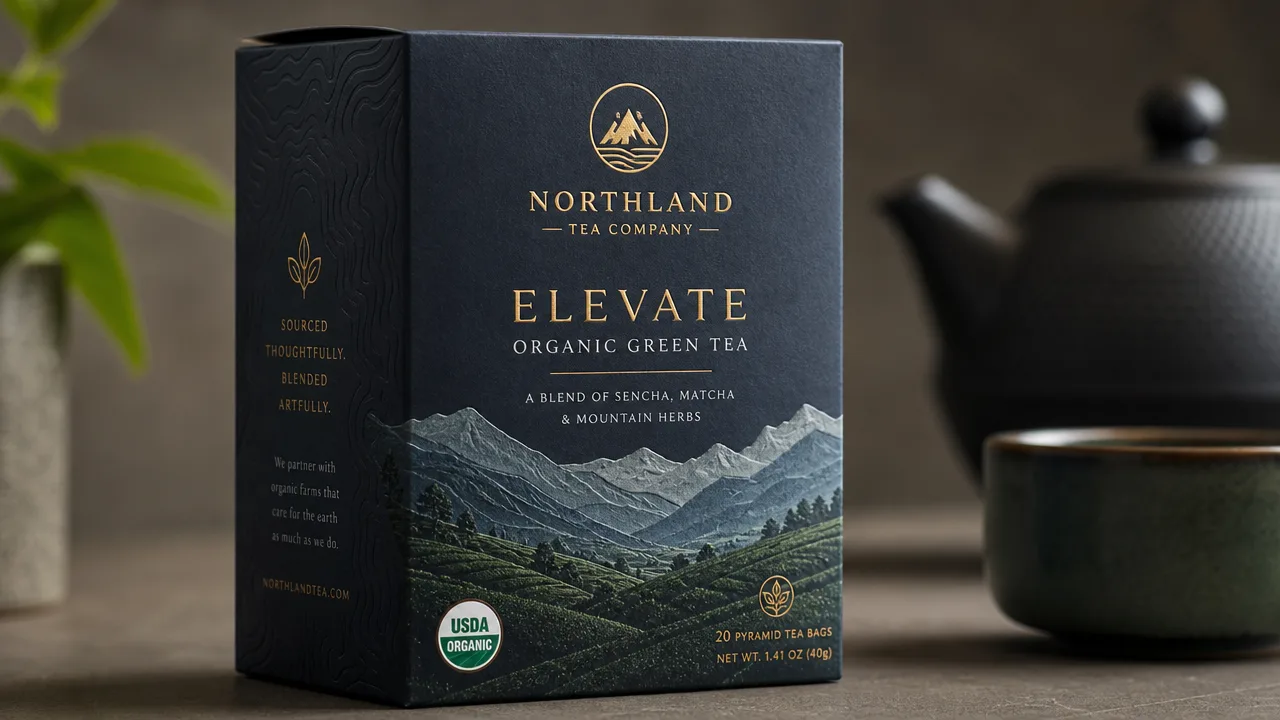
Custom printed packaging
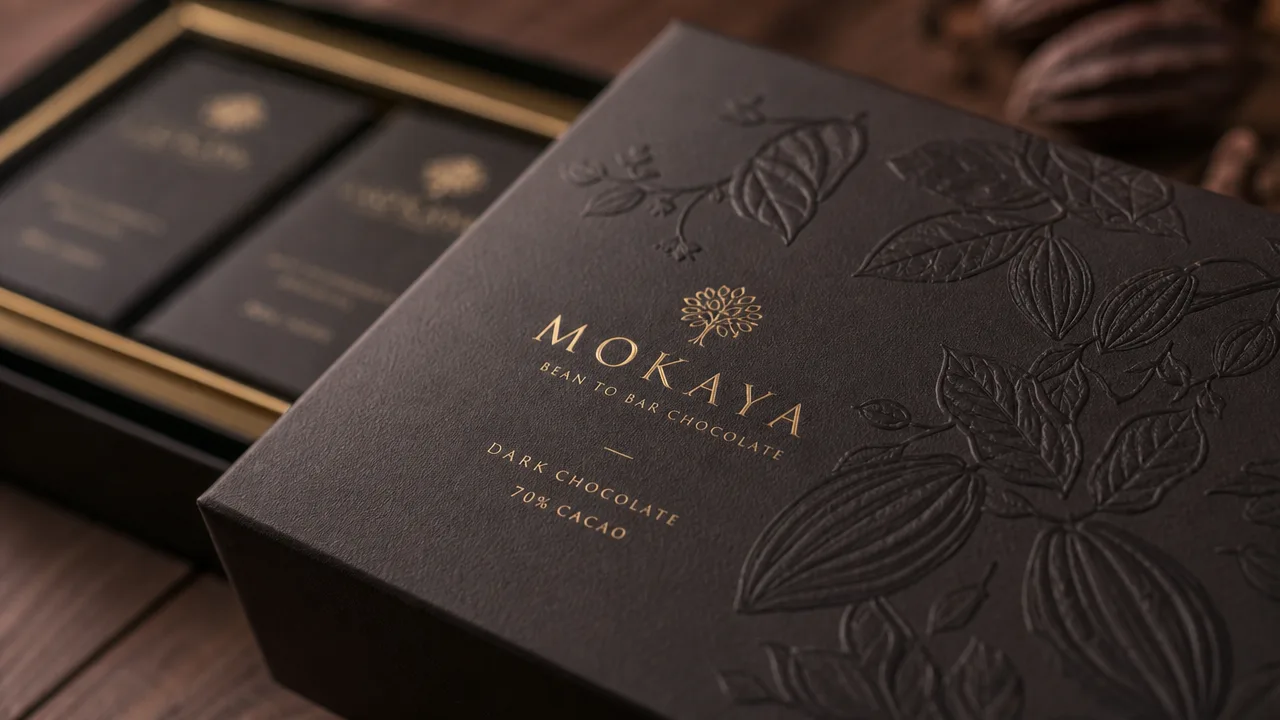
Retail cartons, presentation boxes, mailers and sleeves, printed on our Heidelberg litho presses and finished with foil, embossing, spot UV or soft-touch lamination in Keighley.
Explore the serviceMailer and shipping boxes
Boxes sent through the post need to survive sorting machines and parcel vans, so they are usually made from corrugated board rather than carton board. The classic e-commerce style is the mailer box: a one-piece corrugated box with a tuck-in front, side dust flaps and no tape needed to close it. In the FEFCO Code it is style 0427. The plain brown shipping box with four top and four bottom flaps is FEFCO 0201, a regular slotted case.
| Need | Typical choice |
|---|---|
| Slim, letterbox-friendly pack for a light product | Mailer in thin E-flute corrugated, which also gives the crispest print |
| All-round postal box for small parcels | Mailer in B-flute corrugated |
| Heavy or fragile contents | Thicker or double-wall board, with an insert to stop movement |
| Branded unboxing | Printed mailer with a printed inside, tissue or a carton inside the mailer |
A common approach for premium products is a printed folding carton for the product, posted inside a plainer corrugated mailer. You get carton print quality on the box the customer keeps and corrugated strength for the journey.
ECMA and FEFCO style codes
Two industry codes describe box styles precisely, so a buyer, designer and printer can agree on the construction without drawings going back and forth.
- The ECMA Code (European Carton Makers Association) covers folding cartons. Codes start with a letter for the type of construction, for example A for rectangular boxes glued along the side seam, followed by numbers for the base and lid closures. A tuck-in flap carton, for example, is coded A20.20.03.01. ECMA's digital library holds around 250 of the most common generic designs.
- The FEFCO Code (European Federation of Corrugated Board Manufacturers) covers corrugated boxes. It is grouped in series: 02 slotted boxes such as 0201, 03 telescope boxes with a separate lid, 04 folder-type boxes and trays including the 0427 mailer, and 09 interior fitments such as inserts and dividers.
A code describes the shape, not the size
Neither code tells you the dimensions, board or print. Always give the internal size of the box (length × width × depth), measured around the product with any insert allowed for.
How to choose a box style
- 1
Start with the product
Measure it, weigh it and decide whether it needs an insert. Weight decides whether a tuck base is enough or you need a crash lock.
- 2
Decide how it will be packed
Hand-packing a few hundred units is different from a packing line. Fast-erecting styles save labour on bigger runs.
- 3
Decide where it will be seen
On a shelf, the front panel and top matter most. In the post, the box has to survive the journey and the inside print matters for unboxing.
- 4
Pick the construction
Folding carton, corrugated or rigid. See folding carton vs corrugated vs rigid.
- 5
Get the dieline before the artwork
Your designer should work on the dieline for the chosen style and size. Our guide to packaging dielines and artwork explains how.
For the full picture, from board to finishes and lead times, read our complete guide to custom printed packaging. When you are ready to quote, our packaging brief template lists everything a printer needs, and our guide to packaging finishes covers foil, embossing and soft-touch.
Sources
- FEFCO – The FEFCO Code: the international system for corrugated packaging design
- Packhelp – FEFCO codes explained (series and styles including 0201 and 0427)
- Labelprint24 – ECMA code: structure and example folding carton codes
- Pro Carton – ECMA releases digital library of common folding carton designs (May 2010)
- The Tiny Box Company – Choose the right flute for strength and weight