
Quick answer
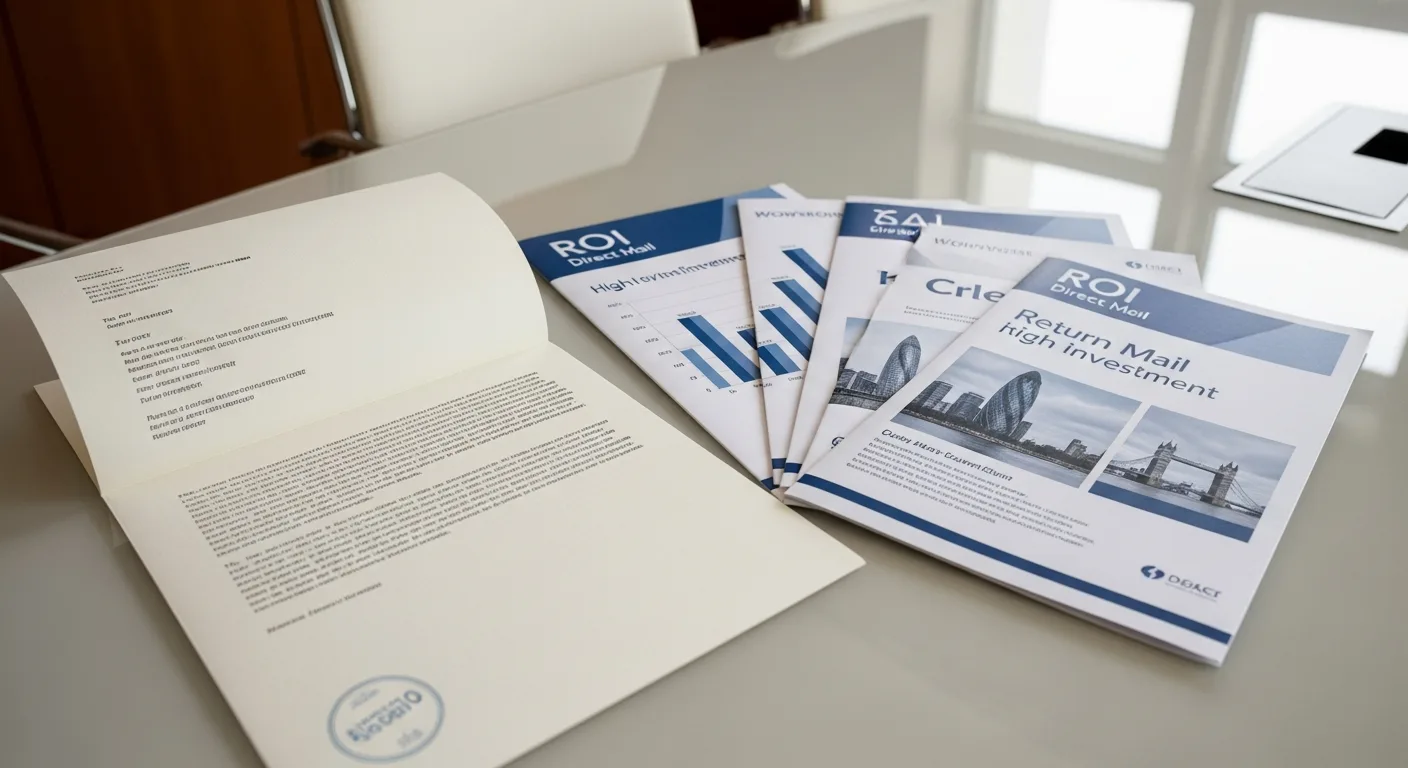
Enter a paper weight in gsm to see how it feels, what it is usually used for, how much one sheet weighs and roughly how thick it is. Add the number of sheets and the envelope weight to check a mailing pack against Royal Mail's 100g Letter limit. Sheet weight is gsm × sheet area in square metres, so one A4 sheet (0.0624m²) of 80gsm paper weighs about 5g, and of 350gsm board about 21.8g.
Key takeaways
- GSM is grams per square metre: a measure of weight, not thickness.
- One A4 sheet weighs gsm × 0.0624 grams. Sixteen A4 sheets make one square metre.
- Thickness (caliper) is roughly one micron per gsm, but coated stocks are usually thinner and uncoated stocks thicker.
- A Royal Mail Letter can weigh up to 100g and be up to 5mm thick, envelope included. Over that it is a Large Letter, which costs more to post.
Paper weight calculator
GSM weight & feel tool
How it feels
Light but substantial
Typical uses: Flyers, folded leaflets, brochure and catalogue inner pages, posters.
Weight of one A4 sheet
8.1 g
Total weight
8.1 g
Within the Letter weight limit. Royal Mail Letters can weigh up to 100g and be up to 5mm thick; Large Letters up to 750g and 25mm.
Rough thickness
≈ 130 microns
Rule of thumb only. Coated (silk, gloss) stocks are usually thinner than this, uncoated and bulky stocks thicker. Use the mill's caliper figure when thickness matters.
Sheet weight = GSM × sheet area in square metres. The total covers paper and envelope only; ink, coatings and inserts add a little more, so leave a margin below a postage limit.
How the weight is worked out
GSM is the weight of one square metre of paper, so the weight of any sheet is its gsm multiplied by its area. An A0 sheet is one square metre, and each A size is half the one before, so A4 is one sixteenth of a square metre (0.210 × 0.297 = 0.0624m²). The table in our paper weight & GSM guide shows the same figures for common weights.
| Paper weight | One A4 sheet | One A5 sheet | Typical use |
|---|---|---|---|
| 80gsm | 5.0g | 2.5g | Office paper, mono letters |
| 100gsm | 6.2g | 3.1g | Letterheads, personalised letters |
| 130gsm | 8.1g | 4.0g | Leaflets, brochure pages |
| 170gsm | 10.6g | 5.3g | Heavier leaflets, posters |
| 250gsm | 15.6g | 7.8g | Light card, brochure covers |
| 350gsm | 21.8g | 10.9g | Postcards, business cards |
Why the thickness is only an estimate
Paper thickness, called caliper, is measured in microns (thousandths of a millimetre). It depends on how the paper is made as well as its weight. Coating and calendering (pressing the sheet between rollers) make silk and gloss papers denser and thinner than uncoated paper of the same gsm. Bulky stocks are made to feel thicker than their weight. The one-micron-per-gsm figure is a rule of thumb for comparing papers. Use the mill's caliper when thickness really matters, such as for a spine width or a 5mm postal limit.
Tip
Working out a spine width? Use the spine width calculator, which takes a caliper from a paper data sheet as well as a gsm.
Direct mail from print to post
We print, personalise, enclose and sort mailings in-house, and spec packs to the most economical Royal Mail format.
Explore the service