Mailing Data Processing & Personalisation
Mailing data processing in-house in Yorkshire: prepare, deduplicate and personalise records for more accurate direct mail.
Variable Data Processing & List Hygiene
Poor data is the single biggest cause of wasted direct mail spend. If your list contains duplicates, gone-away addresses, or incorrectly formatted postcodes, you are paying to print and post pieces that will never reach their intended recipient. A mailing list of 100,000 records with a 10% duplication and suppressions failure rate means 10,000 wasted pieces - at a combined print and postage cost of 50-80p per item, that is £5,000-£8,000 in avoidable waste on a single campaign.
Fretwell's data processing team runs every mailing list through a comprehensive hygiene workflow before a single sheet is printed. PAF (Postcode Address File) validation checks every address against Royal Mail's definitive database of UK delivery points. De-duplication removes repeated records across your file and against previous send lists. Suppression against the Mailing Preference Service (MPS) and gone-away databases removes contacts who have opted out or are no longer at the address - protecting your brand, your deliverability, and your postage budget simultaneously.
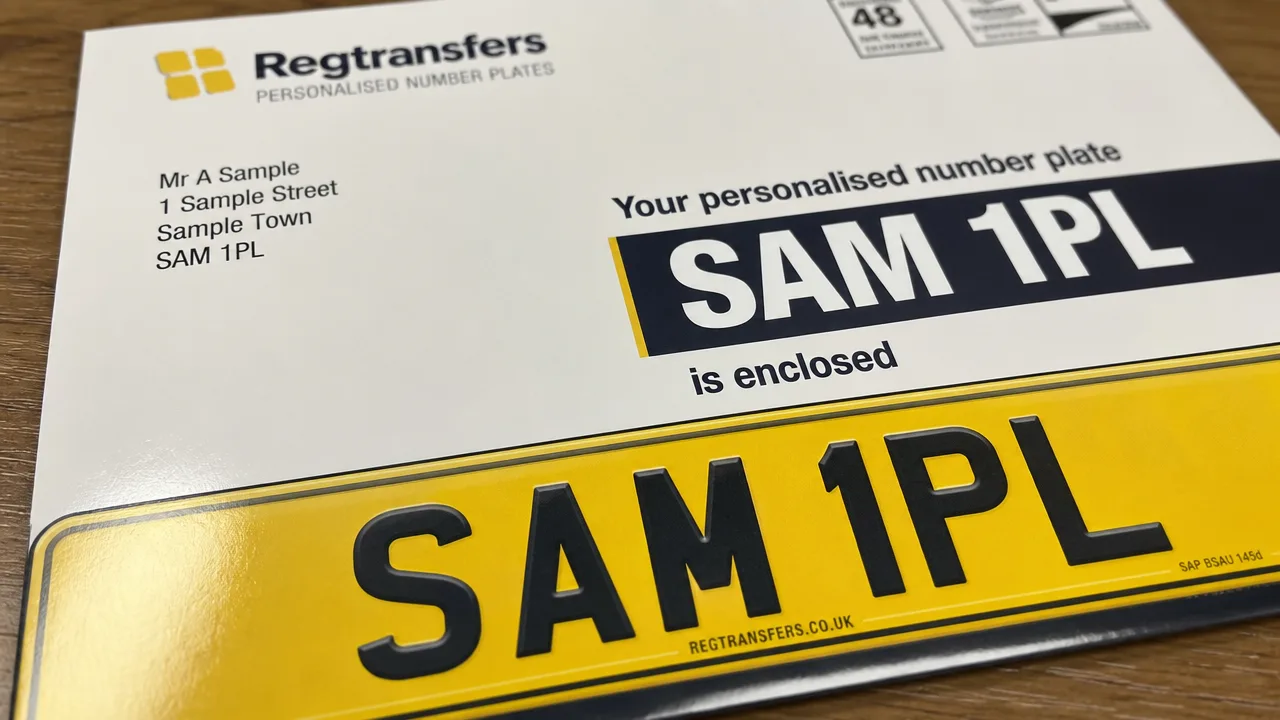
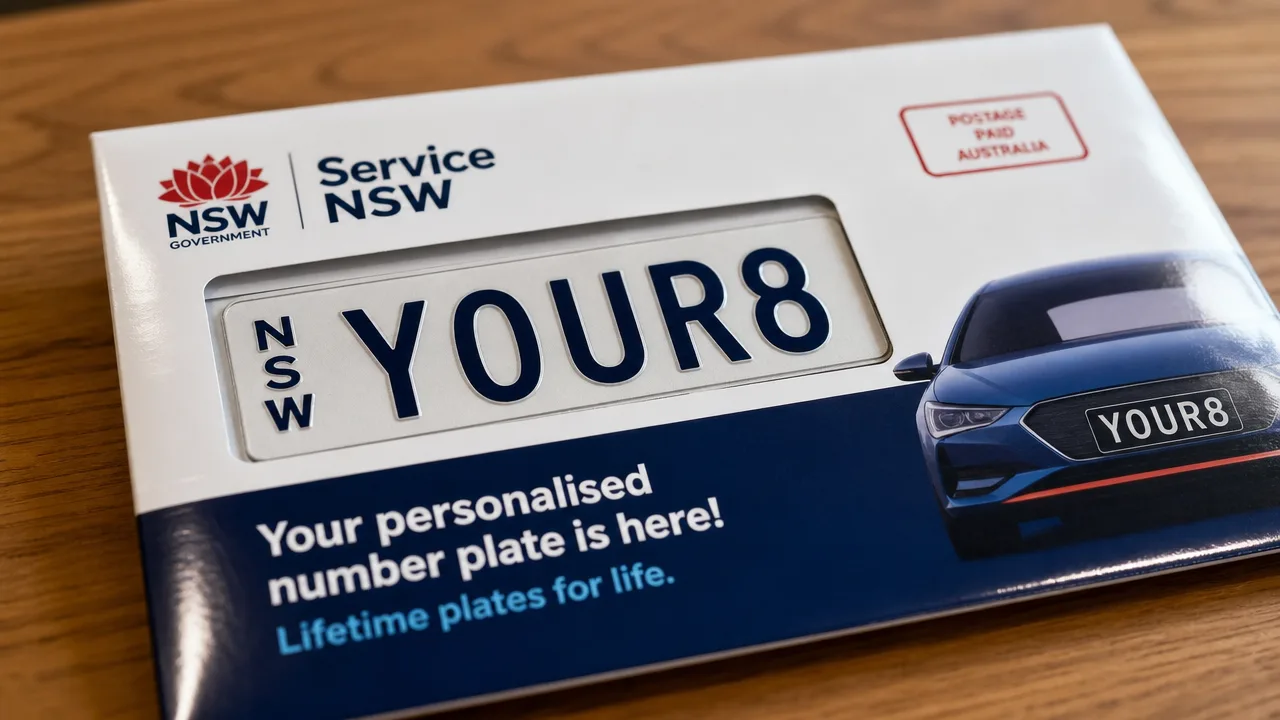
Once your data is clean, our variable data processing capability enables conditional and versioned content at the individual record level. Each recipient can receive a unique version of your communication - a different ask amount based on their last gift history, a personalised product recommendation, or a tailored message based on their segment. This is variable data processing: not just printing a name, but driving meaningful content differences from your data. For the personalised print output itself, see our digital and inkjet printing service.
All data is transferred to us via Secure SFTP - we supply login credentials on request, and your files are encrypted in transit and at rest throughout processing. Automated data destruction protocols ensure client data is securely disposed of at the agreed point after campaign completion, in line with our ISO 27001 information security obligations.
Secure, GDPR-compliant data processing
Security & Compliance
We operate strict Information Security Management Systems aligned with ISO 27001. All data is processed on secure, isolated servers, with full audit trails on request.
- Full GDPR compliance
- Secure SFTP data transfer
- Encrypted processing environments
- Automated data destruction protocols
Hygiene & Personalisation
Poor data wastes money. We clean, de-dupe, and enhance your lists before generating complex variable data for highly targeted, versioned packs.
- PAF (Postcode Address File) validation
- De-duplication and gone-away suppression
- MPS suppression and consent management
- Dynamic variable image and text programming
Helpful guides
All guides
GDPR and Direct Mail: Legitimate Interests Explained
Why postal marketing doesn't need consent under PECR, how to use legitimate interests, handle objections and suppression, and what to agree with your mailing house.
Read the guide
Mailing Preference Service (MPS) Explained
Who runs MPS, whether you have to screen against it, how screening works for mailers, and which types of mail MPS does not cover.
Read the guide
Data Cleansing for Mailings: PAF, De-duplication and Suppression
What happens to a mailing list before it is printed: PAF validation, de-duplication and suppression screens, and how much a clean list saves.
Read the guideVariable Data Printing and Personalised Direct Mail
How variable data printing works, what can change from record to record, how personalised print is produced and how to get the data and proofs right.
Read the guide
How to Rent or Buy a Mailing List in the UK
Rent, buy or build? The types of mailing list, the questions to ask a broker, and the ICO rules for mailing bought-in data.
Read the guide
Data Security for Mailings: Choosing a Secure Mailing House
What to ask a mailing house about data security, what your processor contract must include, and how verified enclosing prevents data breaches.
Read the guide