Quick answer
Digital printing is usually best for short runs, fast turnarounds and personalised pieces, because there are no plates to make and every sheet can be different. Litho (lithographic) printing is usually more economical for longer runs of the same artwork, and it offers Pantone spot colours, including metallic and fluorescent inks, and the widest choice of stocks. At Fretwell, litho has a practical minimum of around 500 sheets, with the best economics typically from about 1,000 copies. Digital has no minimum. The right choice depends on quantity, stock, finish and deadline, not a single cut-off.
Key takeaways
- Digital has no plates and no minimum run, and every item can be personalised. It suits short runs, versioning and direct mail.
- Litho has a set-up cost (plates and make-ready) but a lower cost per copy as quantities rise.
- Litho can print Pantone spot colours, including metallics and fluorescents. Digital prints in CMYK.
- Typical turnaround at Fretwell is 2–5 working days for digital and 5–10 working days for litho, from approved artwork.
- Many projects use both: a litho-printed shell with digital or inkjet personalisation added afterwards.
What is the difference between litho and digital printing?
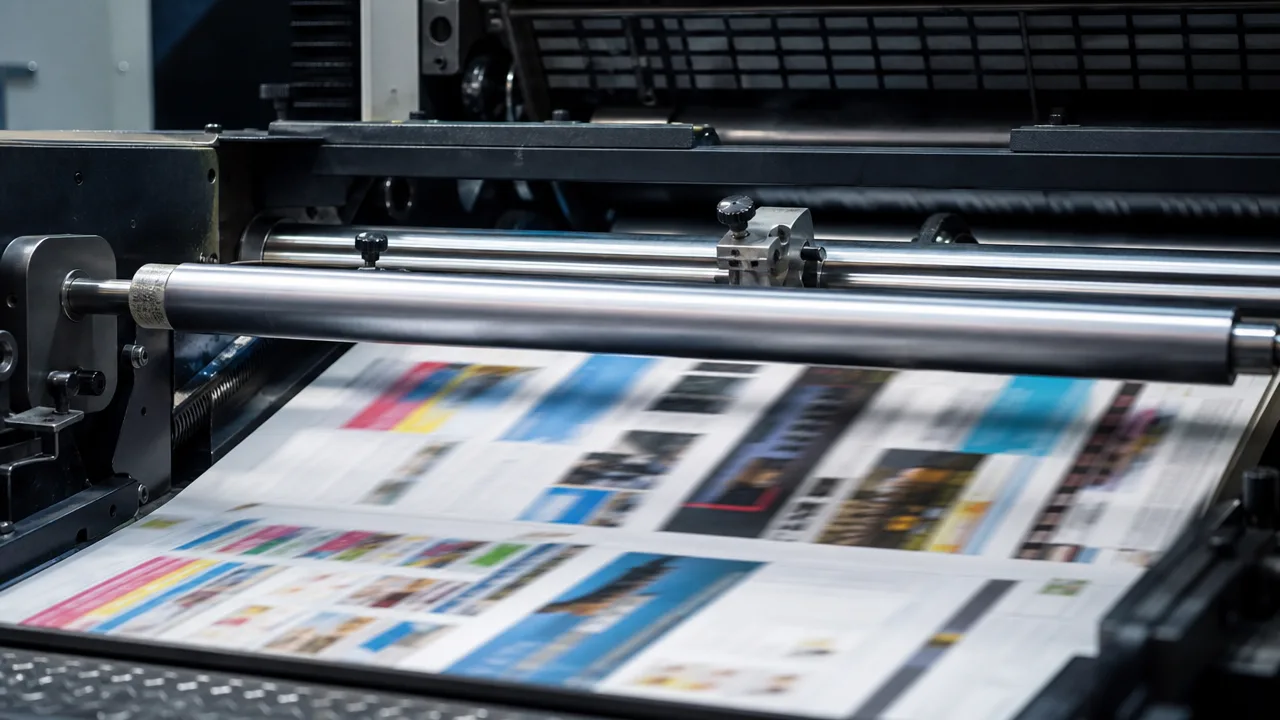
Litho printing transfers ink from metal plates, one per colour, via a rubber blanket onto the paper. Making plates and setting up the press takes time and materials. Once the press is running, though, each extra sheet costs very little. Our litho floor runs two B2 Heidelberg presses: a five-colour Speedmaster XL 75 and a four-colour CX 74, both with inline coaters.
Digital printing works more like a very advanced office printer. The image goes straight from the file to the press, with no plates. Set-up is minimal and every sheet can carry different content, but the cost per copy stays fairly flat however many you print. We run Heidelberg Versafire and Ricoh digital presses to FOGRA-certified colour standards.
Litho vs digital at a glance
| Factor | Digital printing | Litho printing |
|---|---|---|
| Set-up | Minimal: no plates | Plates and press make-ready for each job |
| Run length | No minimum: from one copy to 50,000-run programmes | Practical minimum around 500 sheets; best value typically from about 1,000 copies |
| Cost per copy | Fairly flat as quantity rises | Falls as quantity rises |
| Personalisation | Every item can be different (variable data) | Same image on every sheet; personalise afterwards with digital or inkjet |
| Colour | CMYK, colour-managed to FOGRA standards | CMYK plus Pantone spot colours, including metallic and fluorescent inks |
| Stocks and sheet size | SRA3 and similar cut-sheet sizes; wide but more limited stock range | B2 sheets (up to 750 × 530mm on our XL 75); the widest choice of papers and boards |
| Typical turnaround (Fretwell) | 2–5 working days from approved artwork | 5–10 working days, depending on finishing |
| Best for | Short runs, proofs, versioned or personalised mail, fast deadlines | Longer runs, brochures, catalogues, packaging, brand-critical colour |
Which is cheaper?
It depends on quantity. Litho carries a fixed set-up cost, so on small runs that cost is spread over only a few copies. As the run grows, the low running cost of litho wins. Digital has almost no set-up but a higher, steadier cost per copy.
The crossover point is not fixed. It moves with the format, number of pages, stock, colours and finishing. A short run of a simple leaflet will almost always be cheaper digitally. A long run of a heavyweight brochure with a Pantone colour will almost always be cheaper on litho. Between the two, we price both routes and recommend the better one.
Is litho better quality than digital?
Modern digital presses produce excellent quality. On most stocks, colour from our FOGRA-certified digital presses is very hard to tell apart from litho. Litho still has the edge in a few areas:
- Spot colours: exact Pantone matches, metallic and fluorescent inks are only possible on litho.
- Large solid areas of a single colour, which litho lays down very evenly.
- Stock range: heavier boards, textured and specialist papers, and larger sheet sizes.
- Inline coating: our litho presses apply protective or gloss coatings in a single pass.
Both processes are colour-managed and measured. Our litho presses use Heidelberg's Inpress Control and Axis Control systems, and our proofing is calibrated to ISO 12647-2.
When digital is the only option: personalisation
If every piece needs to be different, with a name, address, offer, image or QR code, digital is the way to do it. That makes it the core of personalised direct mail, donor appeals and trigger campaigns.
For very large mailings, a common approach is to print the colour 'shell' (the parts that are the same on every item) on litho, then add the variable content with high-speed inkjet or mono digital personalisation. That combines litho economics with one-to-one messaging.
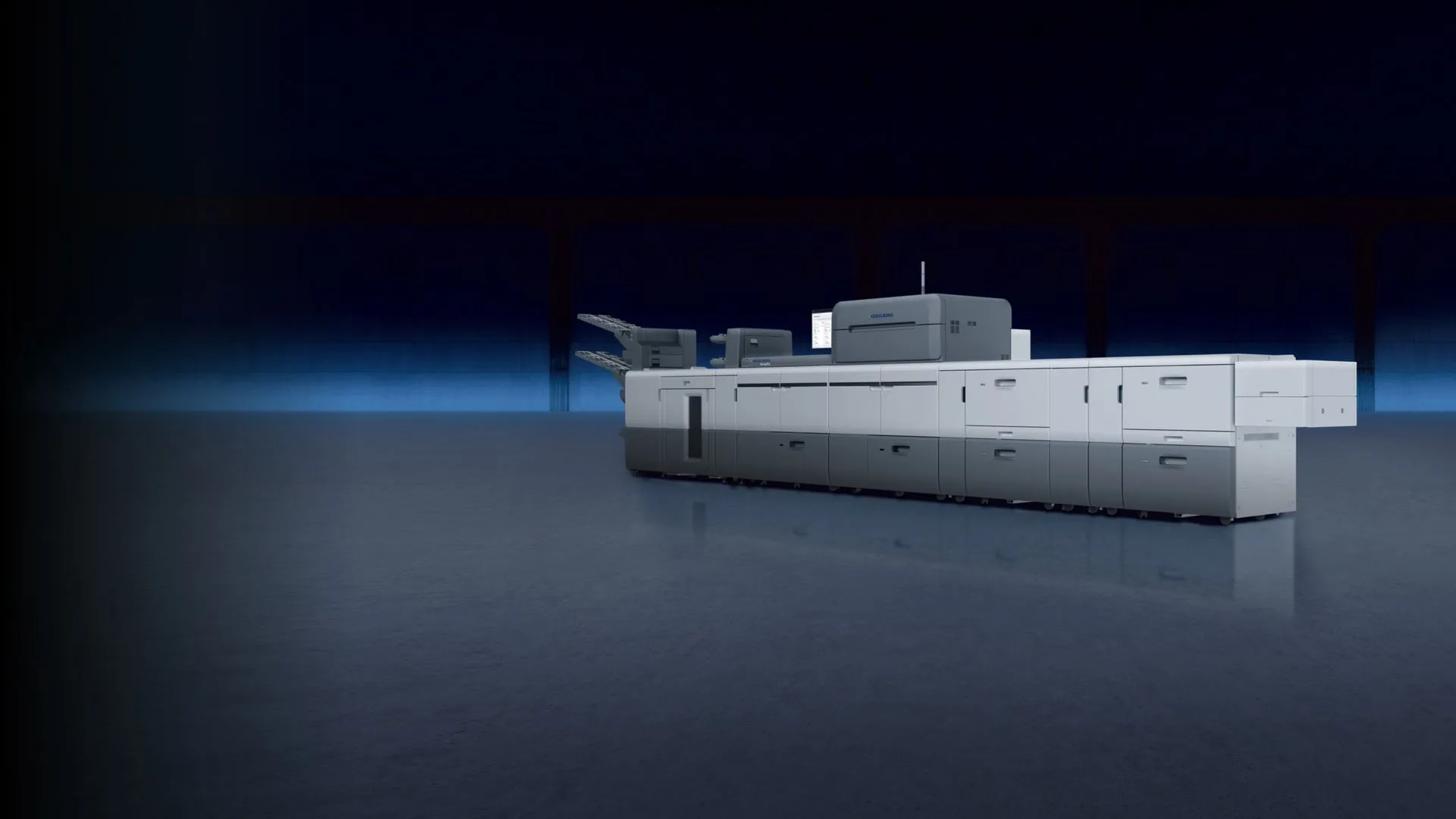
Digital and variable data printing
Short runs, fast turnarounds and fully personalised print on FOGRA-certified presses.
Explore the serviceHow to choose: a quick guide
| Your job | Usually best on |
|---|---|
| A few hundred leaflets needed this week | Digital |
| Personalised letters or donor packs | Digital (or litho shell plus personalisation) |
| Several versions of a leaflet for different regions | Digital |
| 5,000 brochures with a Pantone brand colour | Litho |
| Catalogues or booklets in larger quantities | Litho |
| Folding cartons and packaging | Litho |
| A single prototype or proof copy | Digital |
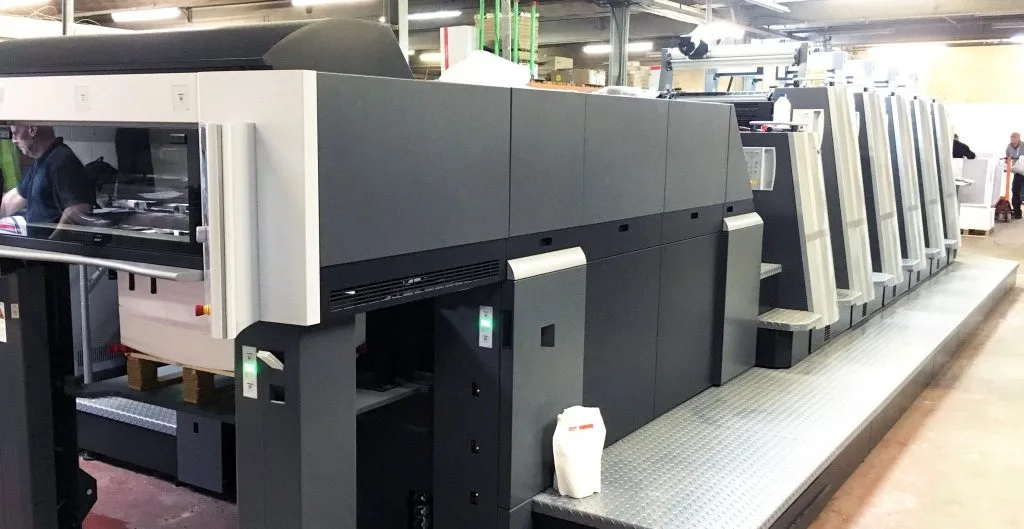
Commercial and B2 litho printing
Brochures, catalogues, leaflets and packaging on Heidelberg Speedmaster presses, with finishing completed in-house.
Explore the service